
Transformers of Food Systems
Which archetype of food systems transformers do you associate yourself with?

Dear Friends,
I am finally back home after completing the ‘Shifting Cultures’ Module of my MSL Systems Retreat at Melbourne. I hosted a small Agripreneurs Meet at Melbourne; met incredible changemakers working on education and agriculture in India, while working their way to raise capital in Melbourne; traveled across the Great Ocean Drive and enjoyed the beautiful Victorian weather where it is sunny, raining and windy all at the same time. I had a beautiful experience interacting, learning and observing the fascinating forty changemakers from all parts of the globe.
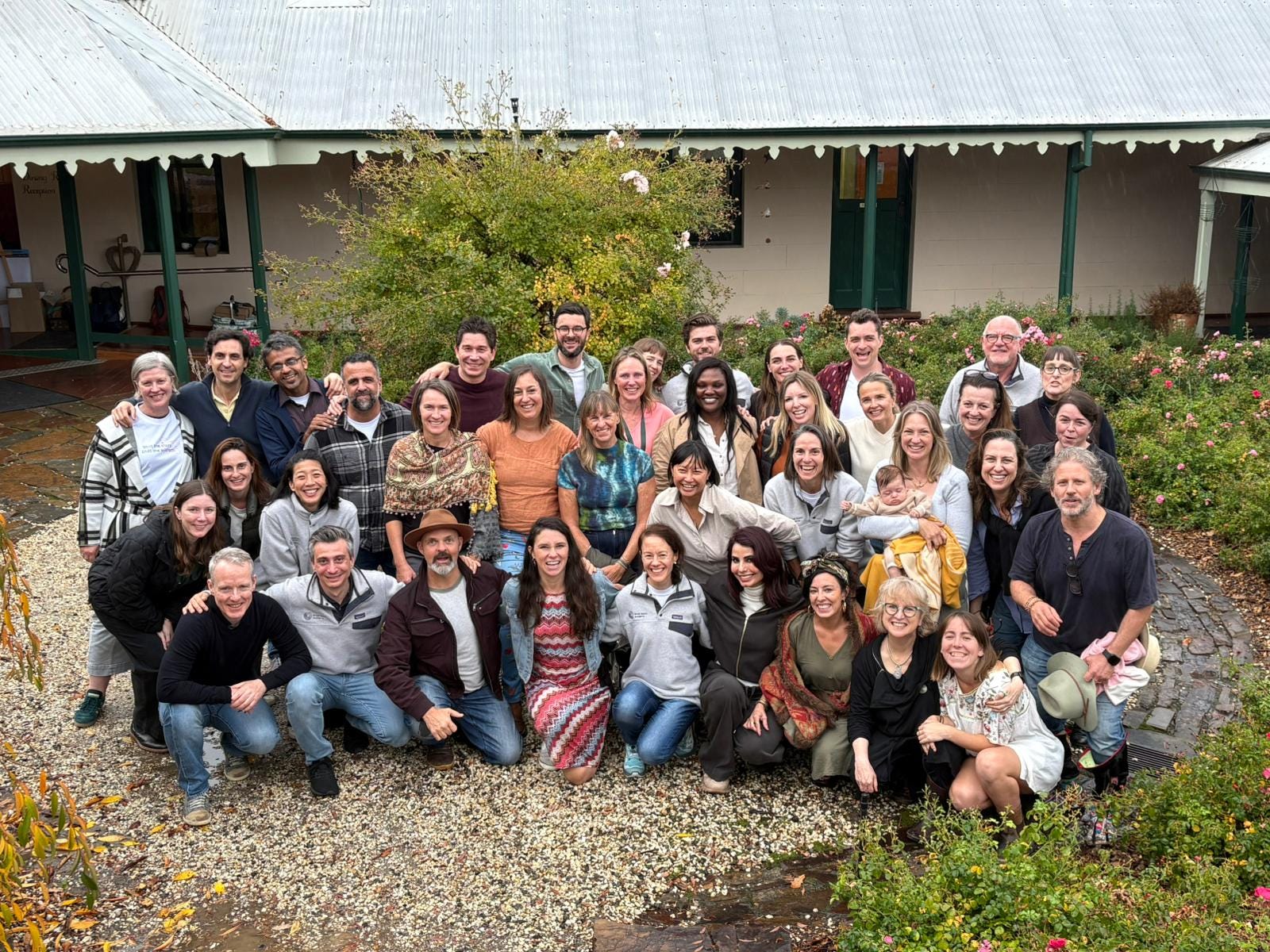
My mind is still in a blur, metabolizing the diverse experiences I had during this retreat. I will be penning a long reflections note soon. Since I am in a liminal state, navigating the gap between where I was and where I am right now, I want to break the programming jinx with this self-reflective piece that explores the archetypes of transformers of food systems.
Love
Venky

Besides my passion for food and agriculture, I have a long standing love affair with the Indian epic Mahabharata.
In my earlier life, I wore a colourful storyteller career hat that profited handsomely from leveraging Mahabharata as a story technology kaleidoscope and today, a large part of my leadership coaching owes its existence to the frameworks that are built on Mahabharata.
With more than one hundred thousand sanskrit stanzas in verse, eight times longer than The Iliad and The Odyssey put together, it is the longest composition of the world, narrating the greatest story ever told.
My relationship with Mahabharata transformed when my Yoga Mentor showcased how the epic could be a powerful mirror of self-discovery.
Essentially speaking, you can read Mahabharata in three ways
1) Historical Text 2) Inspiration 3) A Mirror to Discover Your Self.
The first two are outside-in ways of reading Mahabharata, and the third is inside-out.
How do you leverage Mahabharata as an inside-out mirror to discover yourself? As my Yoga Mentor Raghu Ananthanarayanan elaborates in his fascinating book, Five Seats of Power, Mahabharata explores five archetypal seats of power viz.,
1) Yudhishtra: Structure and Order
2) Bhima: Adventure and Sensitivity
3) Nakula: Service and Compassion
4) Sahadeva: Knowledge and Inquiry
5) Arjuna: Integration and Simultaneity
It’s fascinating when I apply these five archetypes in the context of food systems.
Yudhishtras (Aeneas if you want to draw parallels with Roman heroes) are the administrators bound by the norms. They are most often interfacing with Sarkar (Federal Government) engines, those who believe in the power of policy to create change.
The MSP commission designer, the FSSAI standards setter, the state agriculture department officer who drafts a natural farming policy are typical Yudhishtras. Their shadow emerges when they starts worshipping the book of shoulds over the reality that is emergent. Yudhishtra becomes Bhishma (”The Man with Terrible Vow”) who gets caught with rigidity and role-boundedness
The Bhima (Hercules if you want to draw parallels) of food systems is the high-energy agripreneur who goes first into difficult terrain. The founder who built a new market category long before anyone believed a market existed.
Bhima energy is what the entrepreneurs thrive on. Their shadow emerges when the bhima disrupts without understanding if the ecosystem really warranted disruption in the first place. Bhima becomes Duryodhana (who forgets that he was once Suyodhana) who is caught up in impulsivity
The Nakulas (The Dioscuri, the twins Castor and Pollux,if you want to draw parallels) are self-less servants who work on grass roots and serve change makers on the ground. They are the healers and do the thankless job of holding the infrastructure that no one pays attention until it gets broken.
The cooperative secretary everyone trusts. The extension worker with a 20-year relationship across five villages. Nakulas serve and often place others needs before theirs. Their shadow emerges when they get burned out since they hadn't paid attention to their needs. Nakula becomes Gandhari who in his/her eagerness to offer, forgets to replenish himself/herself
The Sahadeva (Cassandra if you want to draw parallels) of Food System believe in data and theories. They need a working theory before working on the ground. They are the researchers who believe in the power of numbers and can predict what will happen. Sahadeva was also an astrologer.
Sahadevas predict the collapse of Central Gangetic plans, when a particular bioregion will run out of groundwater. Their shadows emerge when they are unwilling to take action on the knowledge they sit on. They are unwilling to take the risk and endlessly wait for the opportune moment when they feel ready to take action. Sahadeva becomes Sakuni who gets caught in intellectualism and forgets to deploy insight in a dharmic manner
Arjunas (Odysseus if you want to draw parallels) in the food systems are a rare species. The one who stands between the two armies examines the double bind inherent in every difficult choice.
The blended finance architect who won't let investor return logic erase farmer dignity. The researcher who won't publish a study that flattens complexity to serve a policy narrative.
Arjuna's dharma sankata (double-bind) in the food system is live and unresolved: Does chemical-free transition serve farmers if it reduces income in the short term? Their shadows emerge when they sit on double binds long enough and unwilling to pay the consequences of their decisions. Arjuna becomes Karna who fails to tap into his heroic potential.
Today, the food systems are collapsing by their own weight, thanks to Climate change and therefore there is "dharmic" fight to restore dharma of food systems. Which Pandava role do you play in food systems? Can Pandavas collaborate to solve food system challenges? These questions are powerful enough to wake up every day and do the work I do. :)
If you don’t want CC hassles, you are most welcome to use paypal or UPI (venkat.raman.kr@icici) and pay the annual subscription (8500 INR/95 USD) with your email in the comment. I will enable access immediately.
P.S. Supporting this work doesn’t have to come out of your pocket. If you read this as part of your professional development, you can use this email template to request reimbursement for your subscription.
So, what do you think?
How happy are you with today’s edition? I would love to get your candid feedback. Your feedback will be anonymous. Two questions. 1 Minute. Thanks.🙏
💗 If you like “Krishi.System”, please click on Like at the bottom and share it with your friend